
AWS re:Events
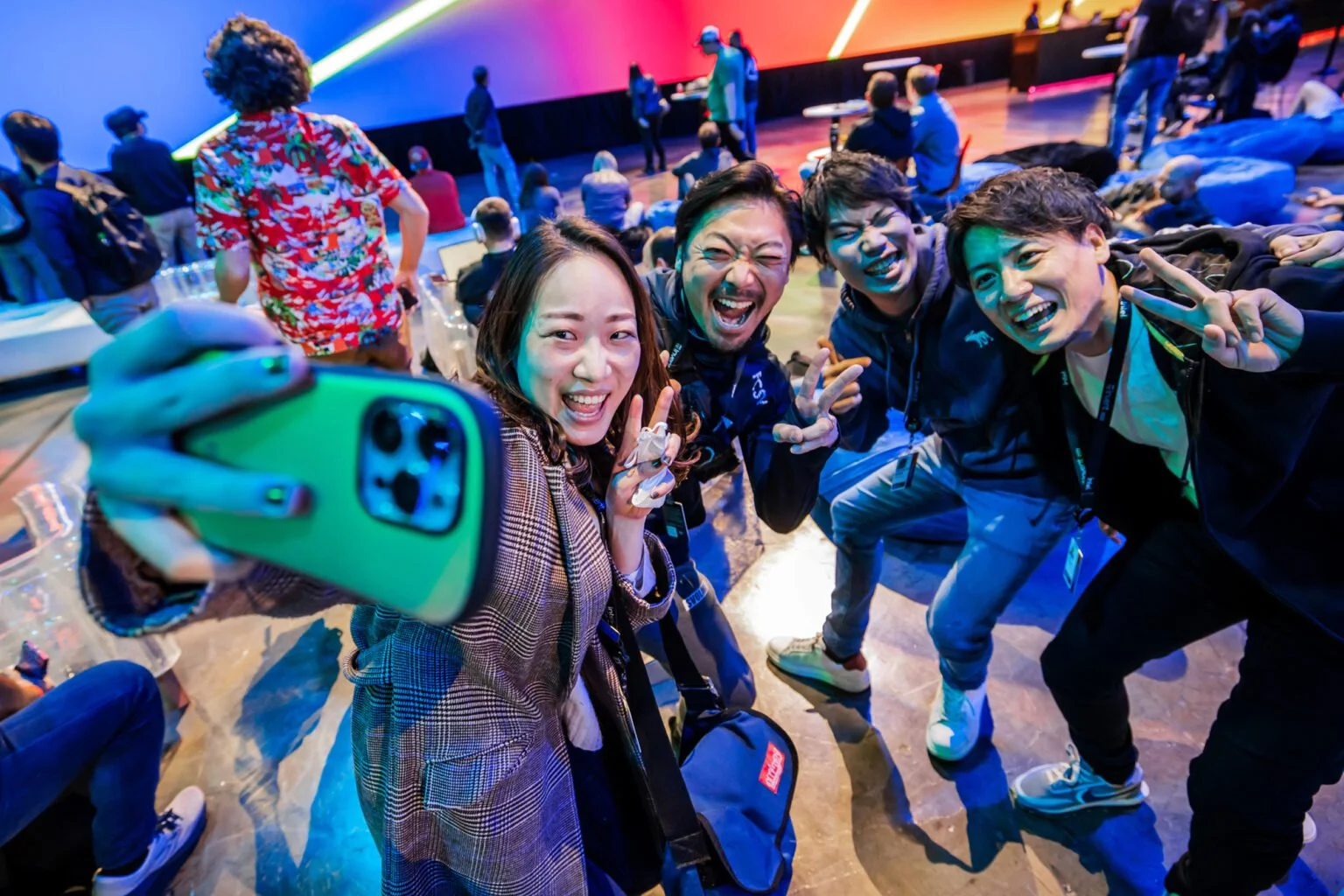
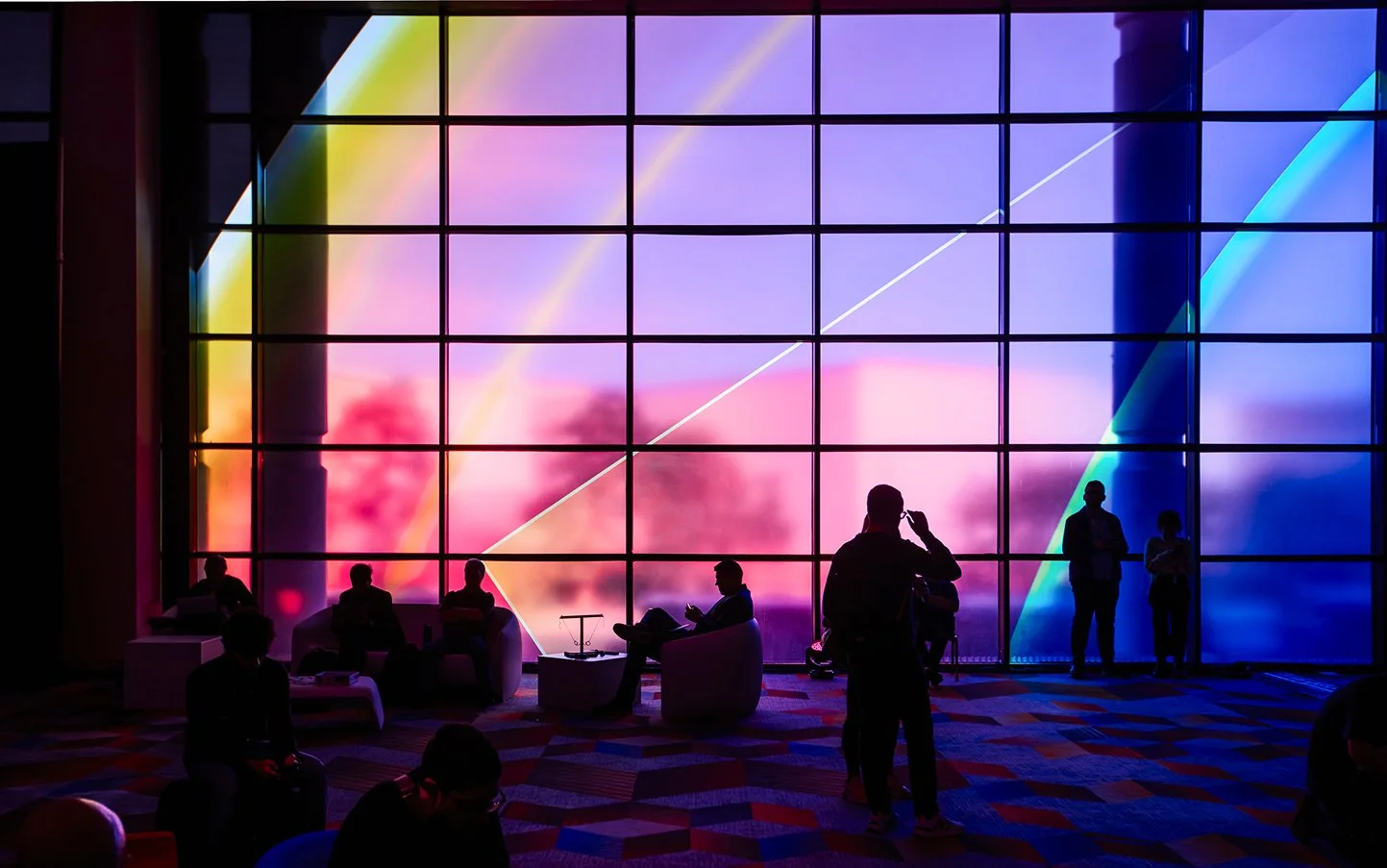
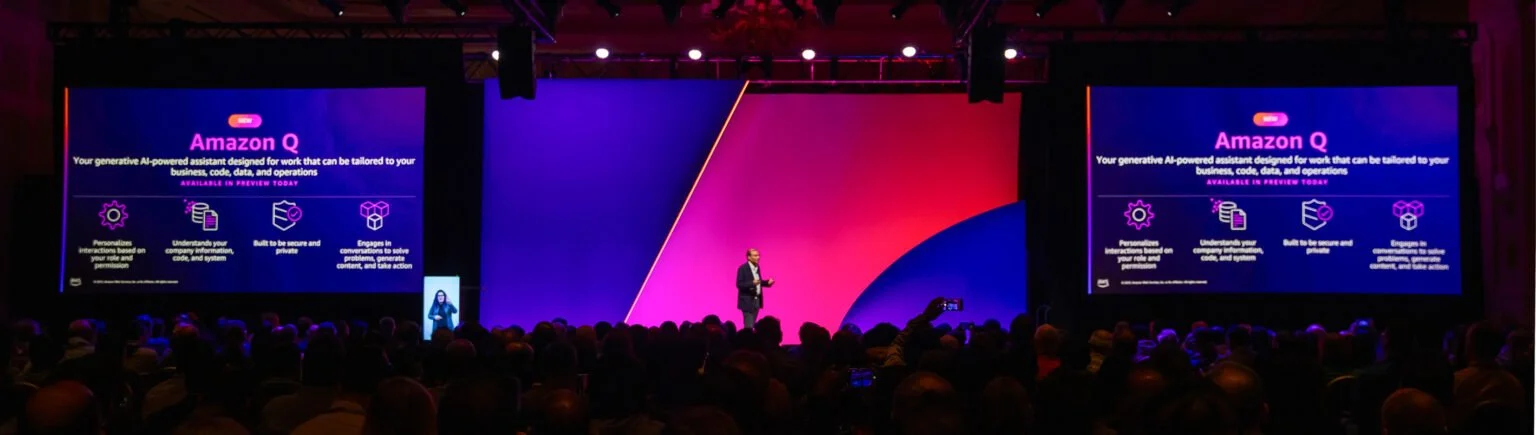
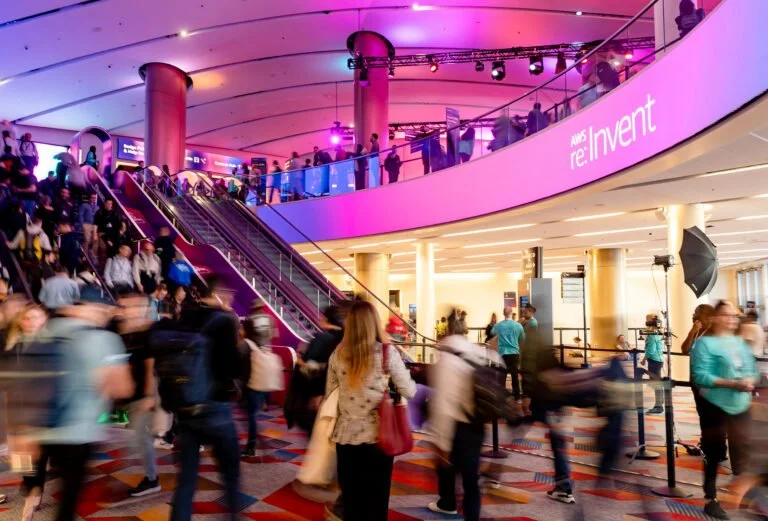
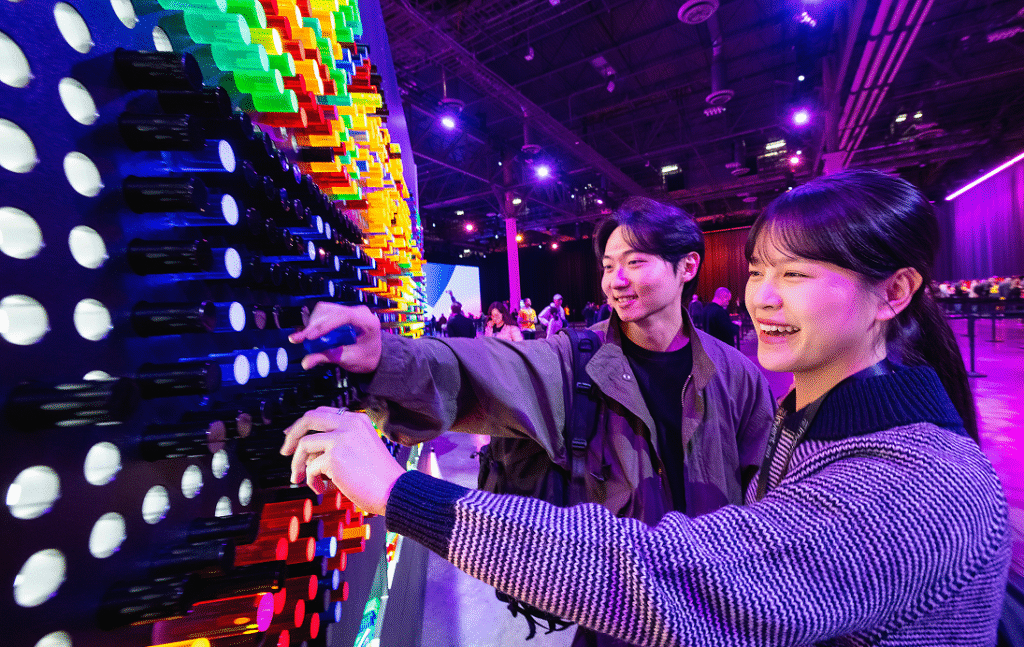
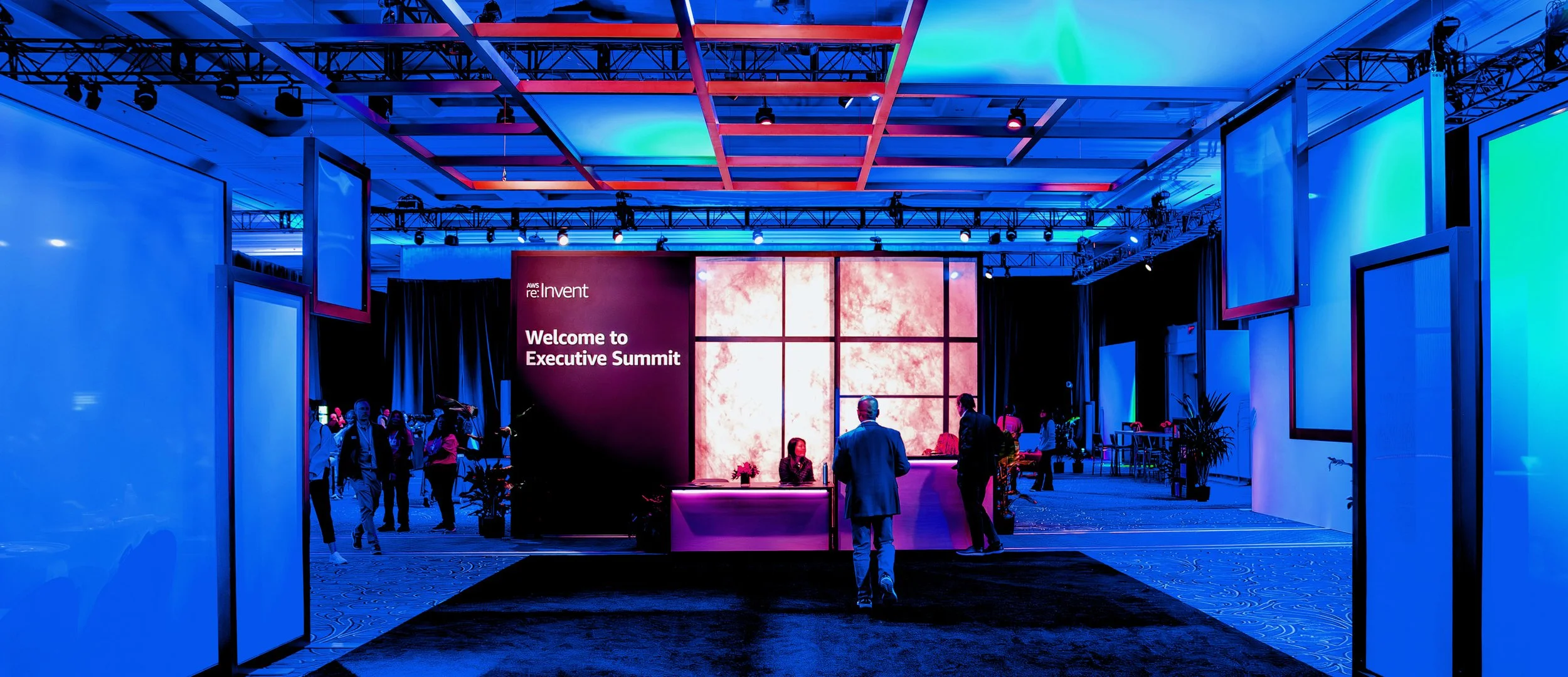
re:Invent is AWS's flagship conference, and the standard is different at that scale. The goal isn't just to produce a great conference. It's to build a platform where speakers, stakeholders, and attendees can connect in a way that feels intentional at every level. Sound, sight, spatial flow, the quality of a sign at the end of a long hallway. Every decision either earns trust with the customer or quietly loses it.
Project Role | Creative DirectorMAssive ScaleDirected creative for re:Invent, AWS's flagship annual conference, spanning 6 venues, 12 hotels, and 50,000+ on-site attendees
Creative ScopeOversaw all attendee touchpoints: environmental design, wayfinding, stage, motion, and print
Digital ReachReached 750,000+ digital attendees through broadcast and streamed content developed in lockstep with the live experience
Cross-Functional CollaborationEvery attendee touchpoint, from environmental design and wayfinding to stage, motion, and print, had to hold to the same standard across 6 venues simultaneously
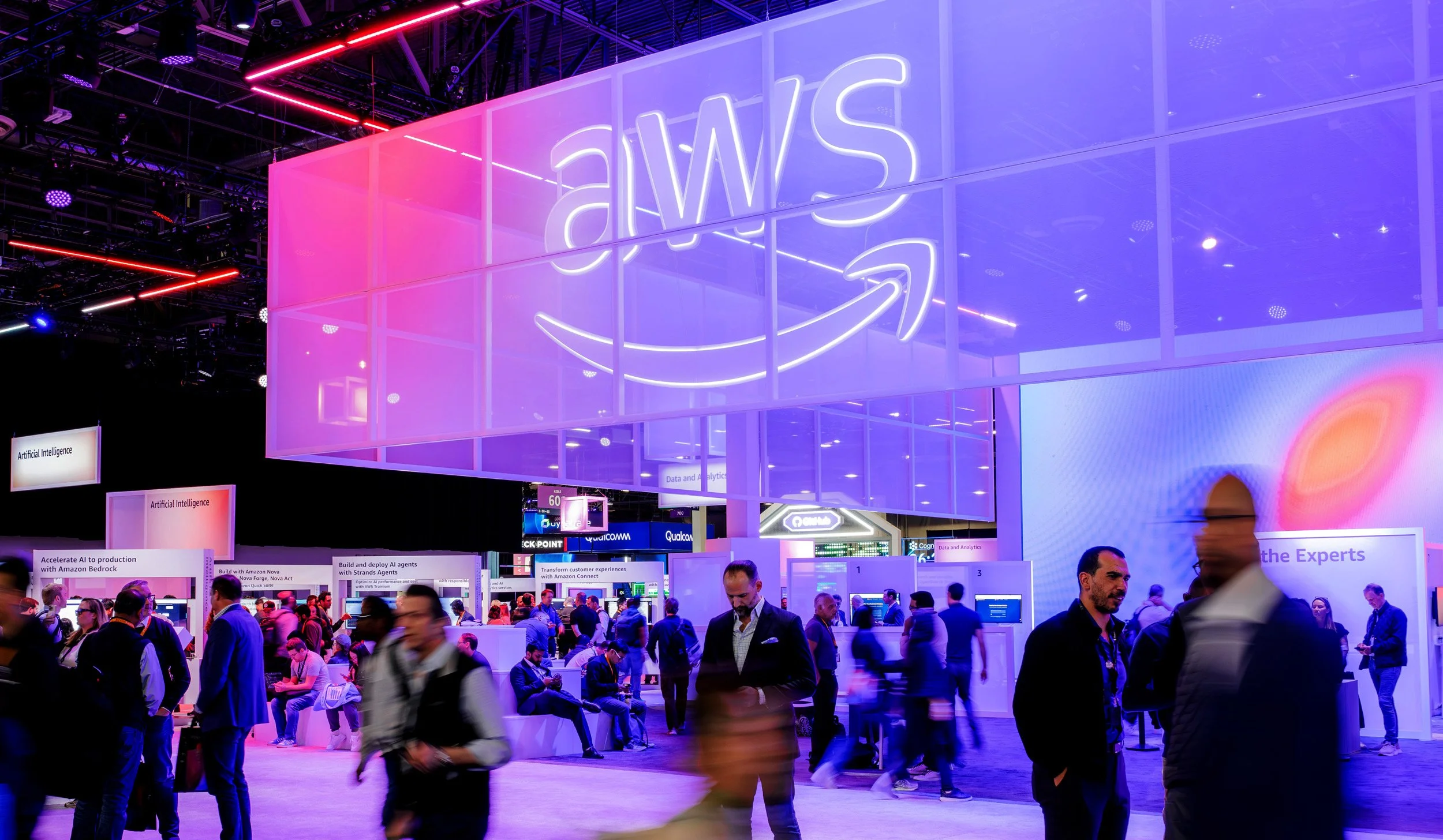
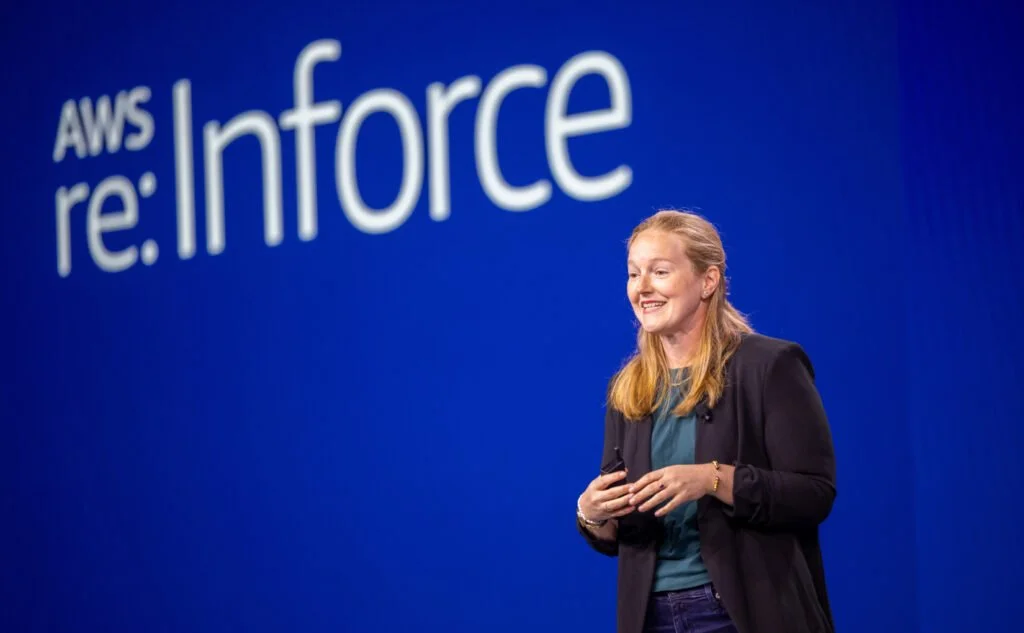
My scope covered re:Invent and re:Inforce, AWS's two flagship conferences, both held to the same bar as the flagship. The goal was alignment: making events that felt like AWS, not just events AWS happened to produce.
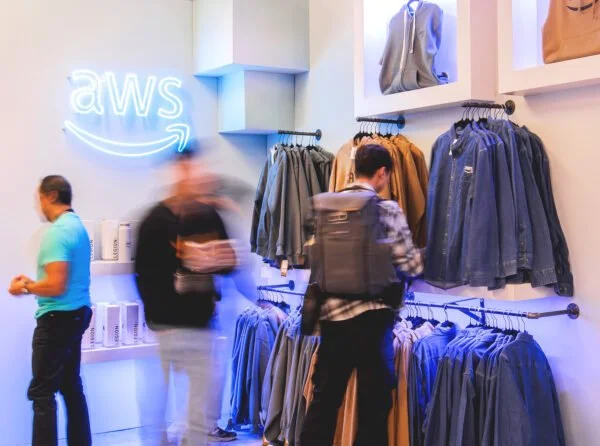
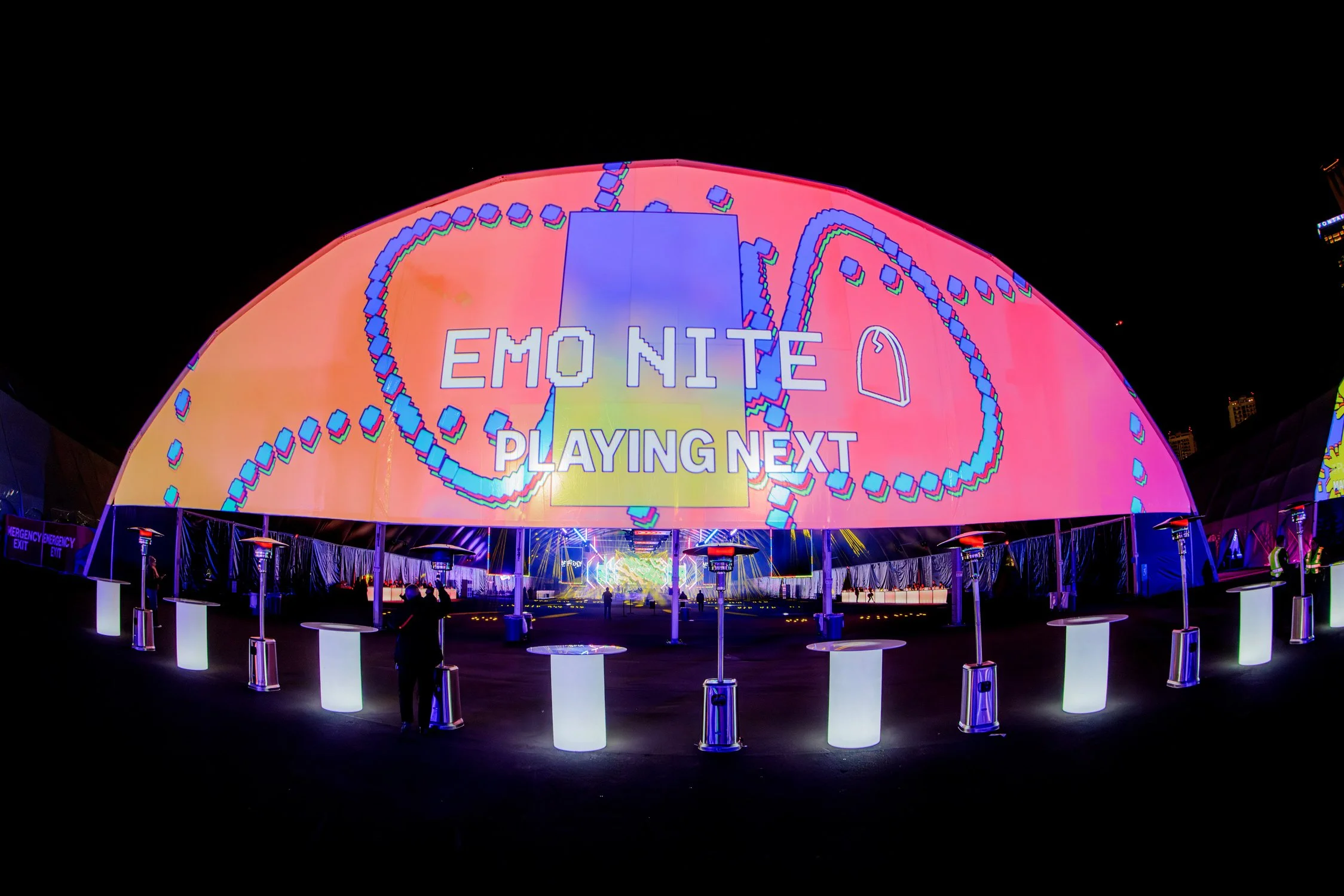
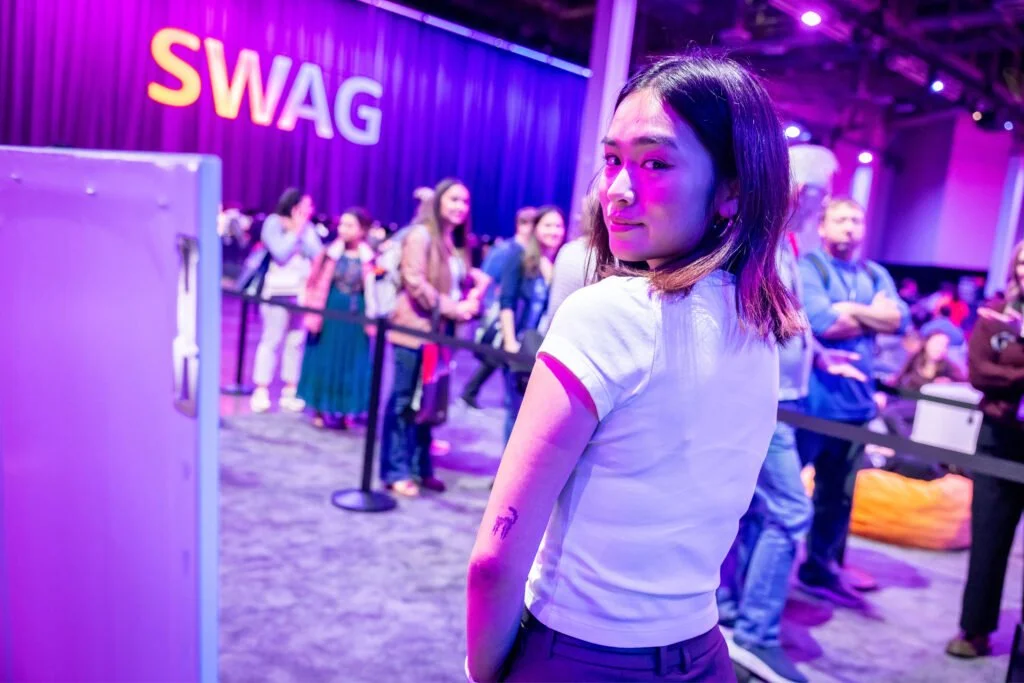
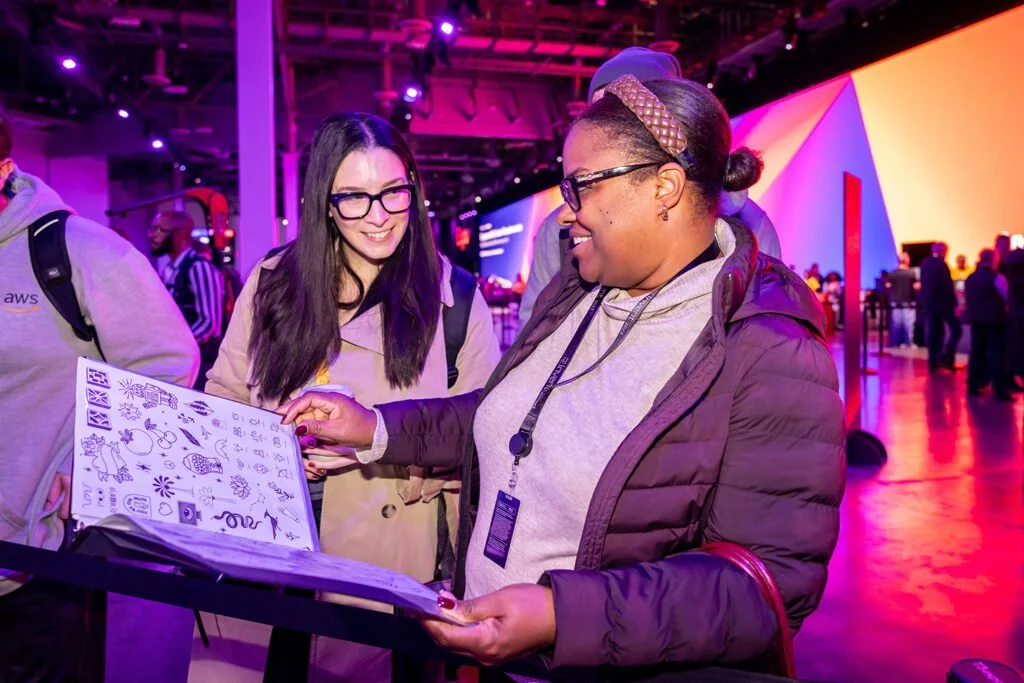
The work touched nearly every surface: web, marketing, signage, wayfinding, copy, lighting, and spatial design. That breadth made the role as much about coordination as craft. The harder part of that breadth was translation. Leadership priorities had to become briefs clear enough that distributed teams across time zones could execute without a creative director in the room.
A meaningful effort went into making the work easier to repeat without lowering the bar. Intake processes, flexible design systems, and scalable templates gave global partners the infrastructure to execute well without starting from scratch. The goal was removing friction, not removing judgment.
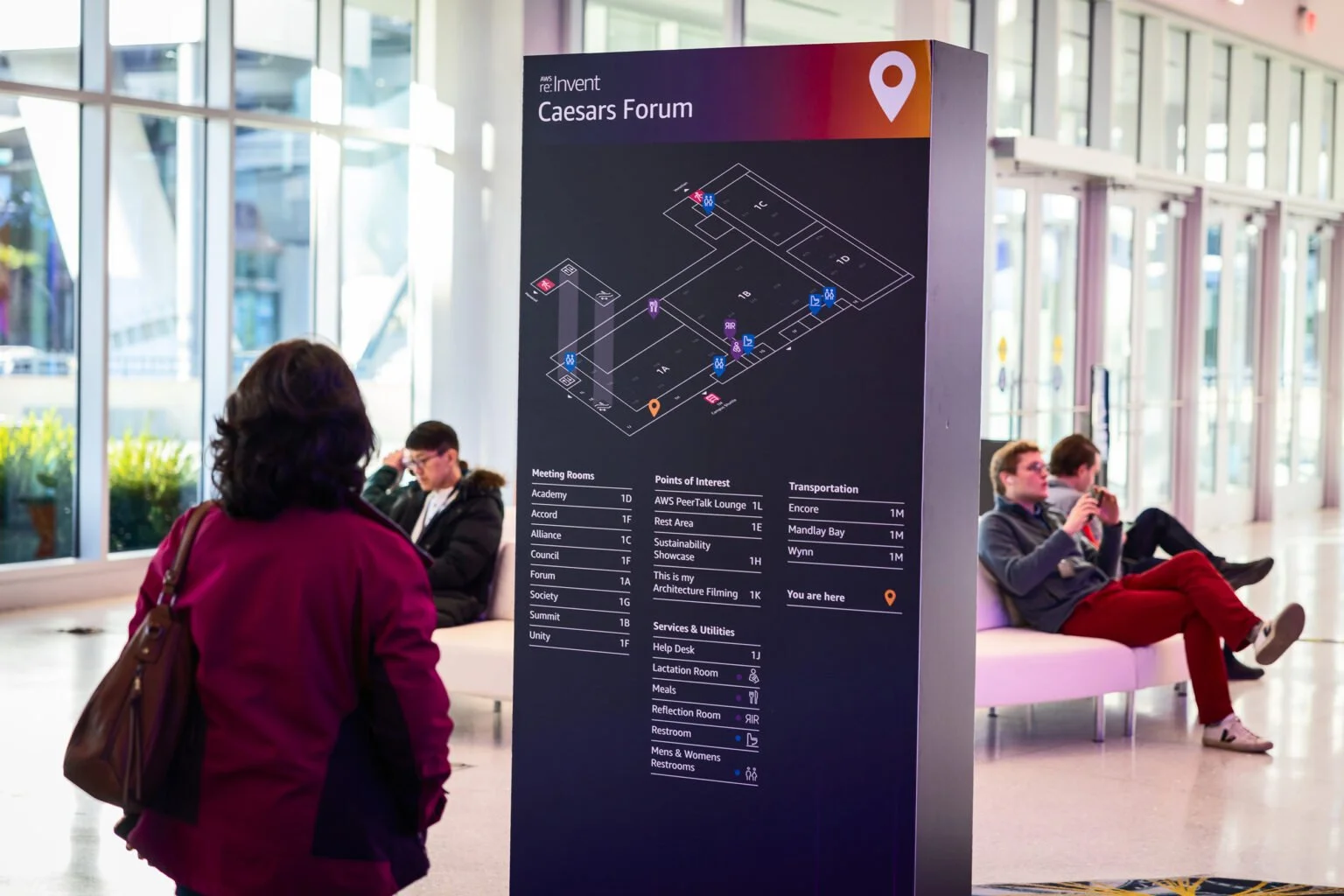

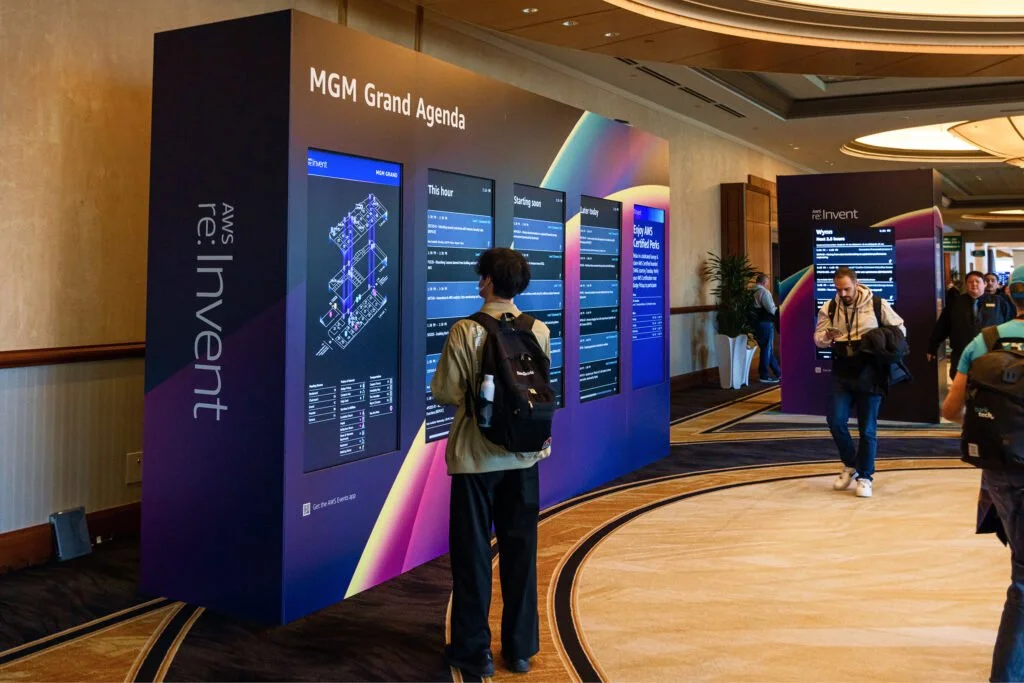
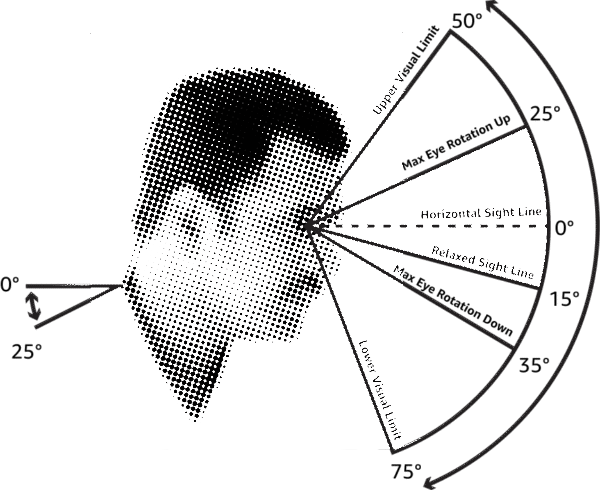
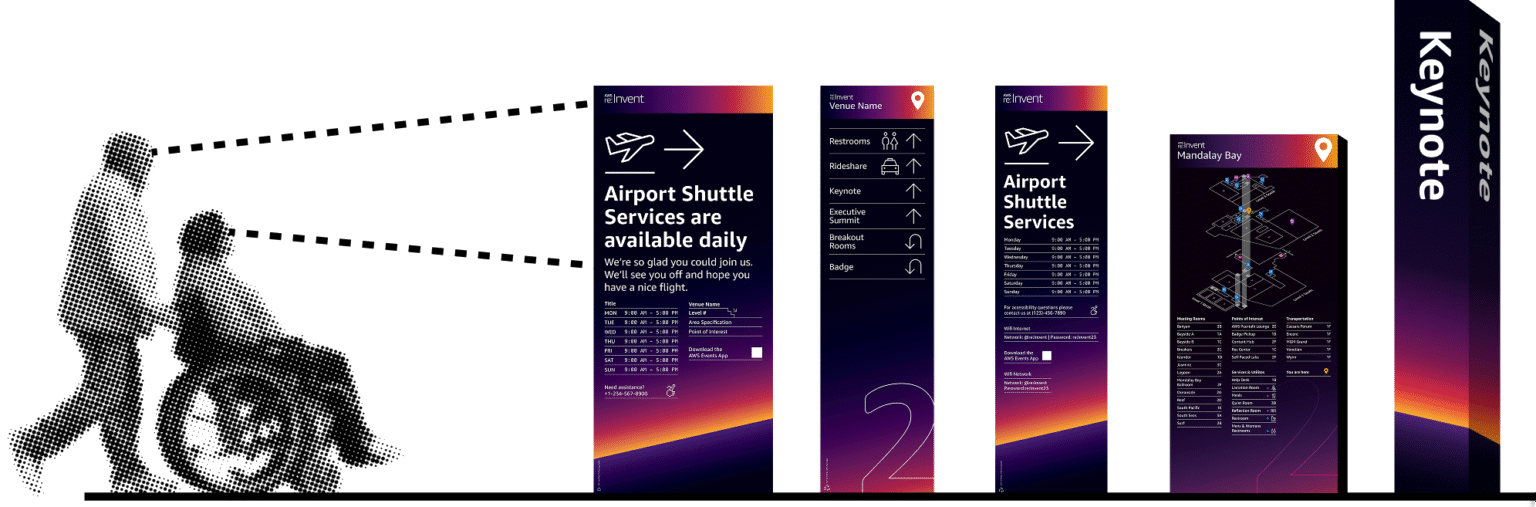
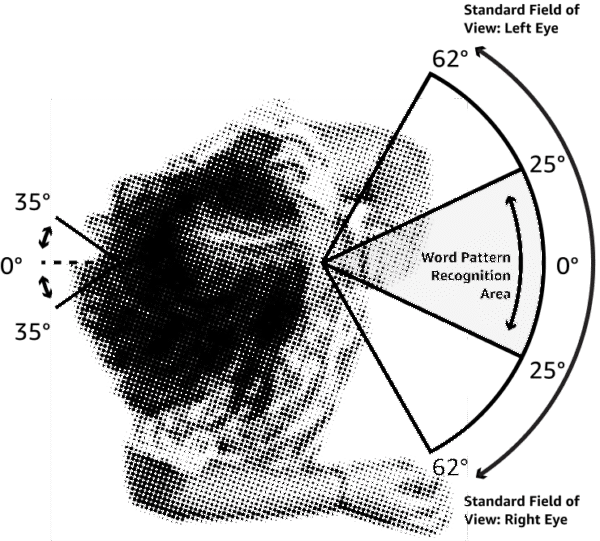
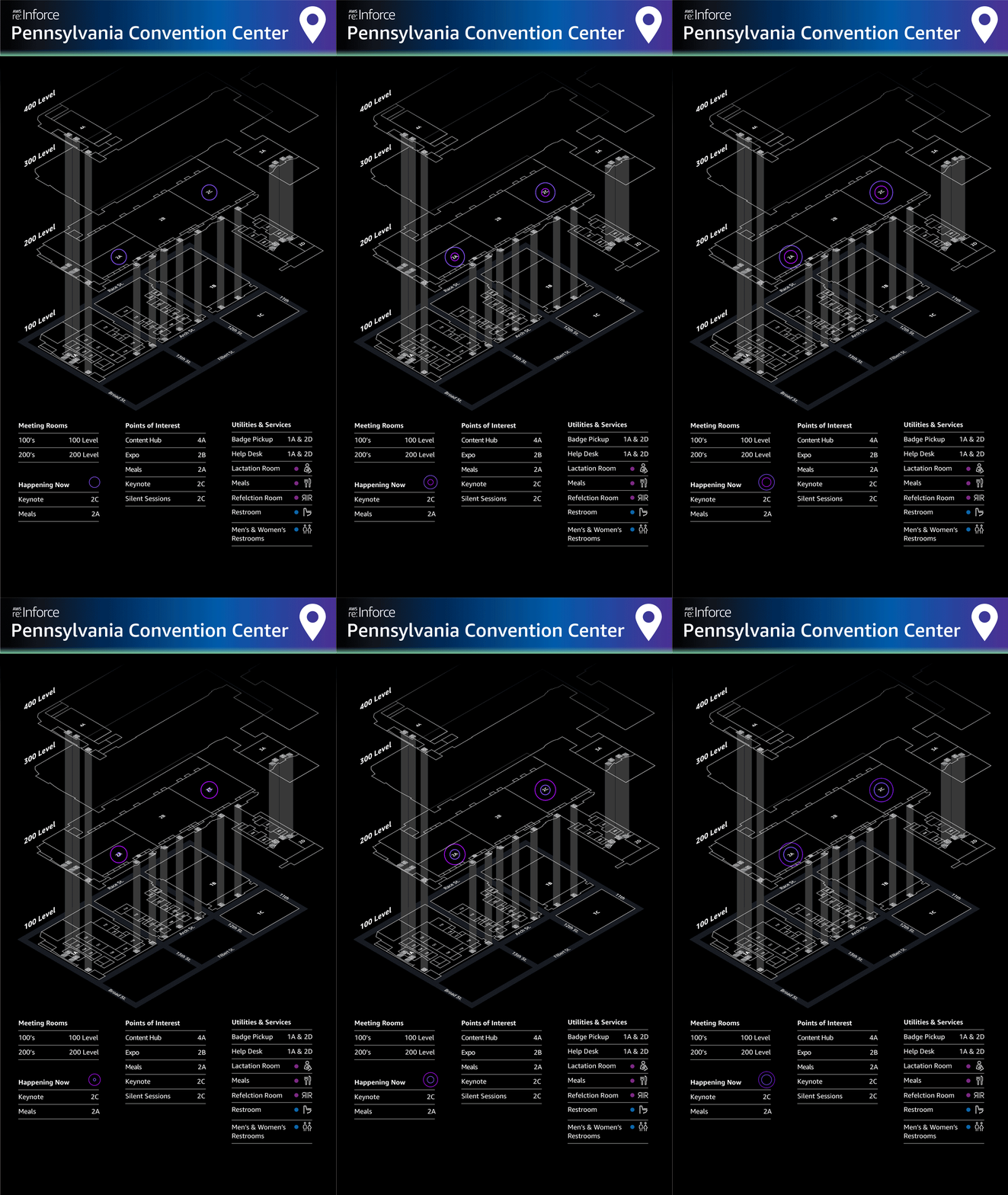
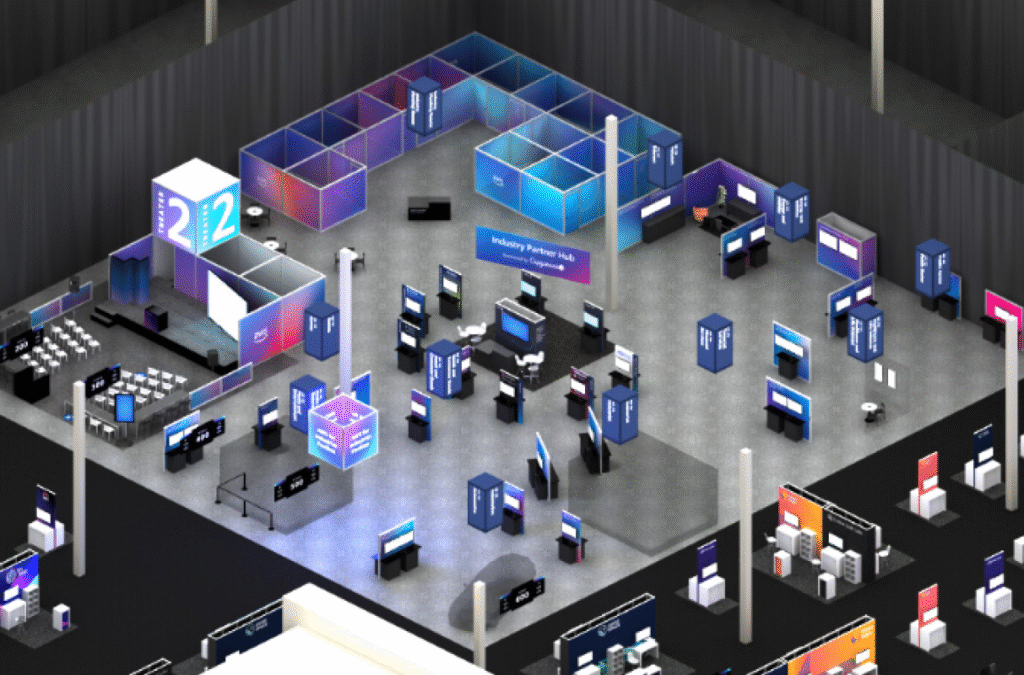
The signage system is a good example of that rigor applied to a detail most people never consciously notice. Text sizing, hierarchy, and placement are all tied to viewing distance, information priority, and the physical limits of how people move through a space. Passive wayfinding only works when it’s invisible, and getting there requires deliberate decisions grounded in how people actually behave.





It takes a village.
Audrey Jones | Signage/Wayfinding Lead
Dan Castro | Strategy Lead
Diana Tran | Creative Operations
Emily Cowell | Spatial Lead
Keven Thompson | Motion Lead
Kyle Fuson | Production Design Lead
Otto Dunham | Photo Lead
Sara Hendrickson | Copy Lead